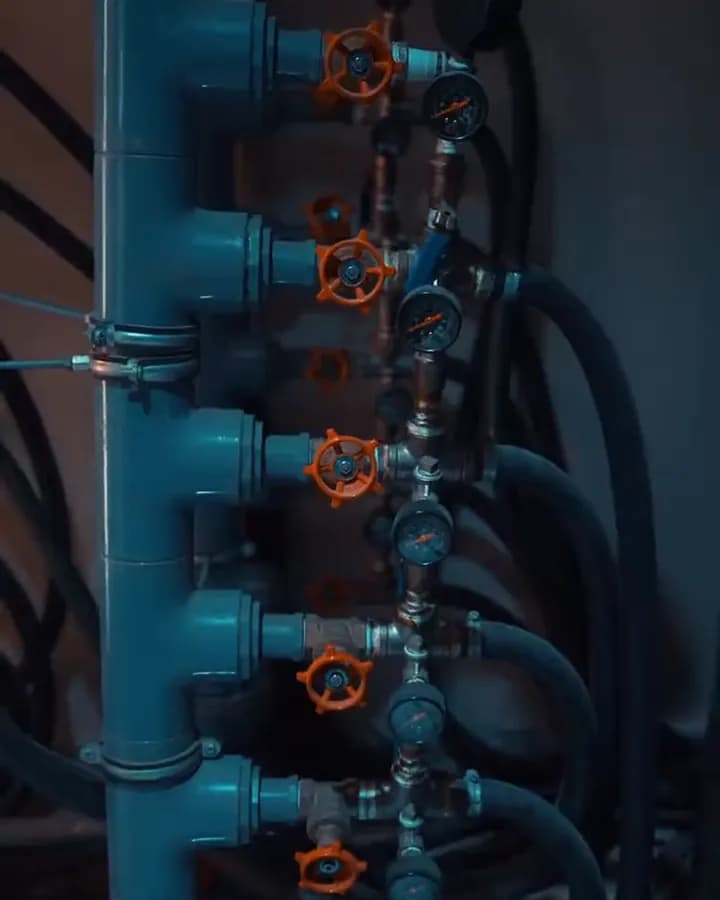
What is happening with difficulty
Bitcoin resets its mining difficultyDifficultyHow hard it is to mine a block. It rises as more machines join the network.All terms in the glossary about every two weeks so that blocks keep arriving roughly every ten minutes. When more machines join the network and blocks come faster than that, difficulty goes up at the next reset. When machines switch off, it goes down.
CryptoSlate reported that a recent downward reset had briefly helped miners. Blocks were then arriving faster than the ten-minute target, and an estimate cited in the report showed the next reset reversing most of that earlier cut (CryptoSlate). This is an estimate, not a final number. The real change depends on how fast blocks arrive until the reset.
- Network difficulty
- 145.1 T
- Hashprice
- $0.0261 per TH/s a day
- Block height
- 977,881
Network difficulty
134.8 T
Why higher difficulty lowers the power rate you can afford
HashpriceHashpriceWhat 1 TH/s of mining earns in a day, before power. Moves with the Bitcoin price.All terms in the glossary is the expected revenue from a fixed amount of computing power for one day. If Bitcoin's price, the block reward and fees stay the same, higher difficulty spreads the same rewards across more work. Each terahash then earns a little less.
The CryptoSlate report also points out that dollar hashprice and coin hashprice can move apart. A miner can earn about the same amount of Bitcoin per day and still have fewer dollars for the power bill if the price moves at the same time. Your electricity or hosting bill is paid in money, not in coins, so the dollar figure is the one to watch.
Hashprice (per TH/s a day)
$0.0282
Efficiency decides how much room you have
There is a simple way to see the highest power rate a machine's revenue can cover. Take the daily revenue per unit of hashrate and divide it by the energy that hashrate uses in a day. Energy per day is the machine's power draw in kilowatts times 24. A machine that uses fewer joules per terahash spends less energy for the same work, so its ceiling sits higher.
The relationship is straight proportion. A rig that uses twice the energy per terahash has a ceiling half as high. A difficulty rise lowers every machine's ceiling by the same share. The older rig starts lower, though, so it moves closer to a typical power rate sooner.
This view counts electricity only. Pool fees, hosting charges, repairs and downtime all reduce the rate a machine can really afford. Treat the result as an upper limit, not a profit estimate.
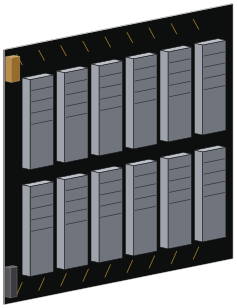 Illustration
How to check your own machine before the reset
- Find your machine's real power draw and hashrate, from your hosting dashboard or pool, not only the spec sheet.
- Divide watts by terahashes per second to get J/THJ/THJoules per terahash: how much power a machine uses for its work. Lower = cheaper to run.All terms in the glossary. Note the result for the mode you actually run, stock or tuned.
- Look up today's hashprice in the live box above and work out the daily revenue for your hashrate.
- Divide that revenue by your daily energy use to get the power rate it can cover, then compare it with your all-in hosting rate.
- Repeat the sum with a slightly lower hashprice so you can see how much room is left after the reset.
If you are comparing models, the gap in J/TH between generations matters more than the headline hashrate. Two current hydro-cooled examples from our catalogue:
Bitmain Antminer S23 HYD (580TH)
580 TH · 9.5 J/TH
Today's price
$18,600
See this miner
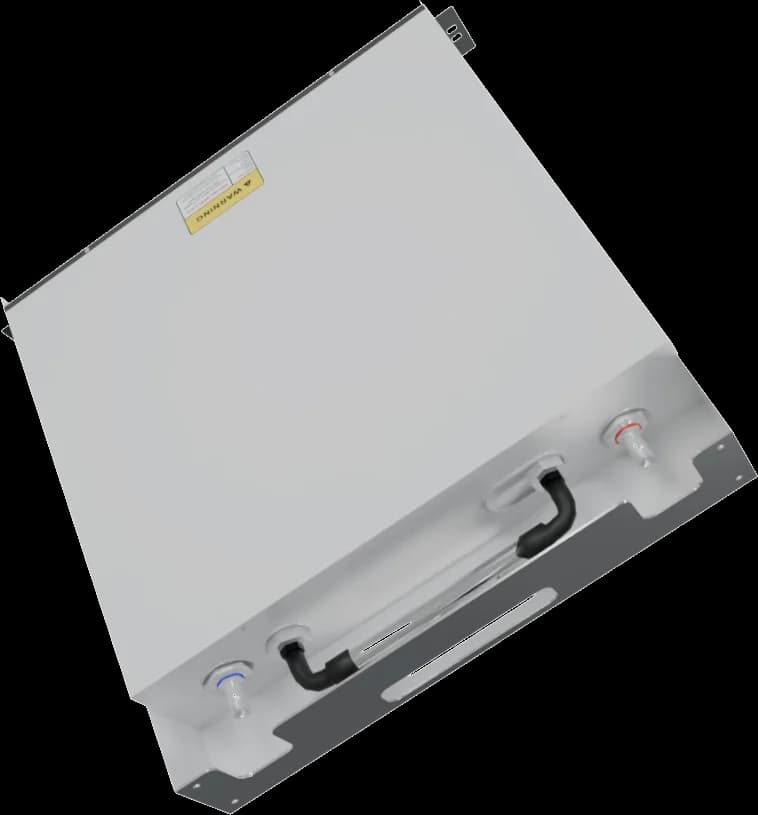
MicroBT WhatsMiner M63S+ (420TH)
420 TH · 17.0 J/TH
Today's price
$4,180
See this miner
Our earlier piece on checking your rig's efficiency when difficulty rises goes through the same check in more detail.
What hosting adds to the picture
In the UAE, most buyers host their machines rather than run them at home. That means the number to compare against hashprice is your all-in hosting rate per kWh, plus pool fees, not a household tariff. Downtime also matters. A machine that is off earns nothing, and uptime at any site is a target, not a promise.
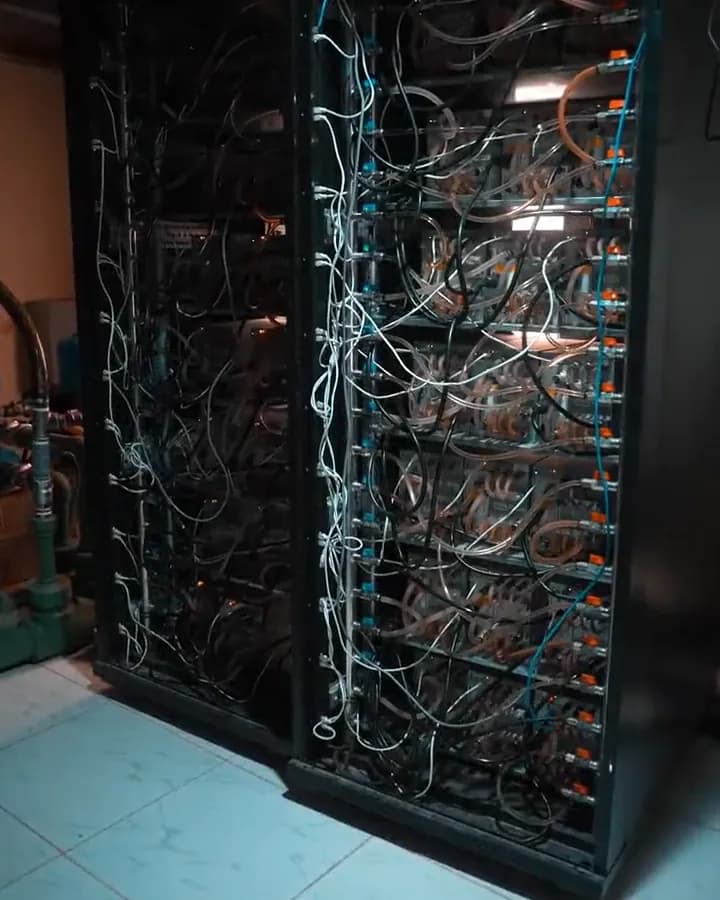
Segments hosts customer machines at its UAE centres, including air-cooled halls such as F20 and F54 and hydro-cooled sites such as F39. Hydro cooling helps dense, efficient machines hold steady hashrate in summer heat. When margins narrow, power tuning can lower energy per terahash. Our guide to power tuning and curtailment explains how that works. Current rates for the Saver plan are on the hosting page.
Keep one reset in proportion
Difficulty moves both ways, and one reset is a small step in a long series. Do not read a single adjustment as a trend. Read it as a reminder to know your own numbers: J/TH, real hashrate, all-in rate and how often your machine was actually online. A buyer who checks these before each reset can decide calmly whether to tune, move or upgrade a machine.
Questions
- Does a difficulty rise reduce the Bitcoin my miner earns?
- Yes, slightly. With the same hashrate, higher difficulty means each terahash earns a smaller share of block rewards. Whether your dollar revenue falls as well also depends on Bitcoin's price, which can move in either direction at the same time.
- What is J/TH and why does it matter so much?
- J/TH is joules per terahash: how much energy a machine uses for each unit of hashing work. A lower number means less electricity for the same output. Because hosting is billed by energy, a lower J/TH raises the power rate your revenue can cover, and that gives you more room when difficulty rises.
- Should I switch my miner off when difficulty goes up?
- Not automatically. First compare the machine's revenue per kWh with your all-in hosting rate. If the margin is thin, power tuning to a more efficient mode is often a better first step than a full stop. Your host can help you look at the numbers for your specific model.
Sources
- Bitcoin miners face a new profitability cliff as difficulty heads for an 8.5% jump · CryptoSlate, 2026-11-21